Our view / Thoughtful, not prescriptive
Our Design Point of View
A room should support the life already happening inside it. We publish independent, informative home design guidance for homeowners and renters who want to make deliberate choices, not chase a complete new look.
How we compare styles and ideas
A useful ranking needs a brief. When we compare interior styles, we explain the household priorities behind the order and the compromises each style may involve. Our home-page comparison values adaptability, maintenance and decorative impact, in that order. It is editorial judgment rather than a numerical test, consumer survey or product review.
We do not treat a style label as a promise. Scandinavian-inspired rooms can be warm or spare; traditional rooms can be restrained or layered. “Best” only becomes useful when it means best suited to a particular purpose, set of belongings and level of care.
Where inspiration comes from
Our guides refer to design history and public collections to broaden the visual conversation. The Victoria and Albert Museum, Design Museum, Museum of Modern Art and Rietveld Schröder House are starting points for further research, not partners or endorsers of this site.
Books such as A Pattern Language by Christopher Alexander and collaborators, The Decoration of Houses by Edith Wharton and Ogden Codman Jr., and The Not So Big House by Sarah Susanka offer different ways to think about human use, proportion and scale. Historical context should prompt questions, not override contemporary safety requirements or individual access needs.
What the guidance cannot do
We have not inspected your home, verified its services or assessed its structure. We do not provide architectural, engineering, electrical, gas, plumbing, medical or individualized accessibility advice. Local regulations, manufacturer instructions and qualified professional assessments take priority over a conceptual layout.
For safety and access questions, use the standards that apply to your location and project. For example, the U.S. Access Board’s ADA resources explain a specific U.S. regulatory framework; they are not a universal dimensional template for every private home.
Corrections and reader questions
If a detail seems unclear, send the page URL, the passage concerned and a reliable reference where possible. We welcome corrections without promising a particular response time or individual design service. Use [email protected] or begin with the local room-note tool.
We are an independent information website, not affiliated with the designers, museums, professional bodies or other organizations mentioned. For site use and data handling, read our Terms and Privacy notice.
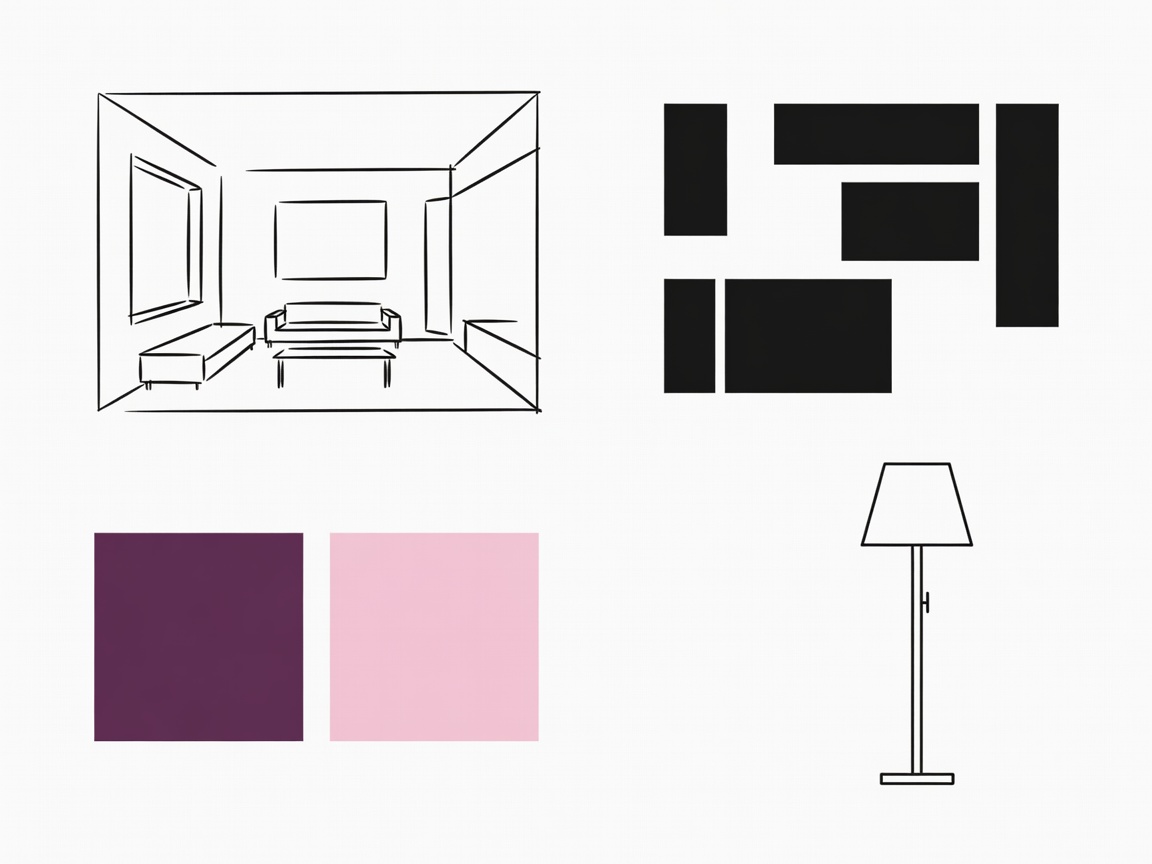 Observe · Test · Refine